Selecting the right plants for your garden or landscaping project is an art that blends both science and aesthetics. In areas like Queen Creek, where the sun shines brightly for a significant portion of the year, understanding sun exposure levels becomes crucial in your plant selection process. Choosing plants that thrive in your specific light conditions not only enhances the beauty of your property but also contributes to a sustainable landscape that requires less maintenance and care.
The Importance of Sun Exposure
Sun exposure significantly affects plant health, growth rates, and flowering patterns. Plants require different amounts of sunlight based on their biological needs. Some thrive in full sun, while others prefer partial shade or full shade. Knowing how much sun each area of your property receives throughout the day will help you make informed decisions about what to plant.
In Queen Creek specifically, you might find areas on your property where the sun blazes down during peak hours while other spots remain shaded by trees or structures. Understanding these variations is key to creating a thriving landscape.
Assessing Sunlight Levels
Before diving into which plants to choose, it’s essential to conduct a thorough assessment of sunlight levels across your property. You can do this by observing how sunlight moves across your yard over several days. Here are some tips:
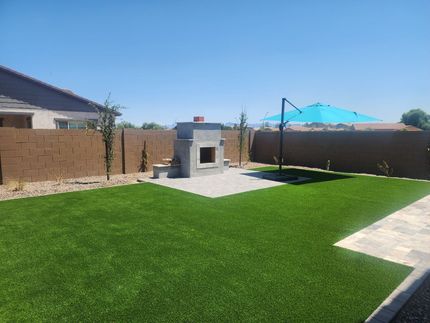
Time Your Observations: Spend a few hours each day watching how sunlight interacts with different areas of your garden at various times—morning, midday, and late afternoon.
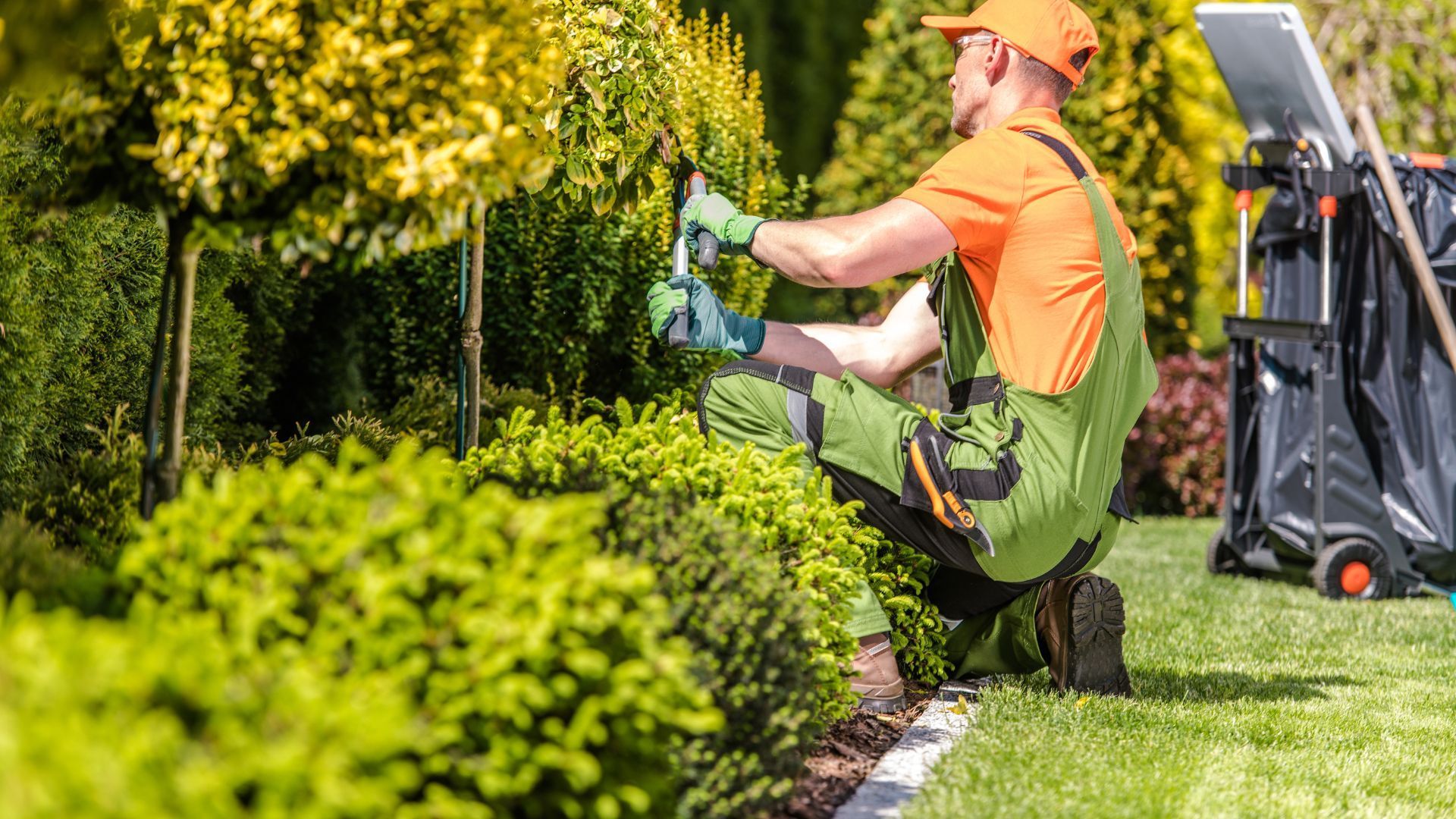
Use a Sun Chart: A sun chart can help you track exposure over weeks or months. Mark areas that receive full sun (at least 6-8 hours), partial sun (4-6 hours), and shade (up to 4 hours).
Consider Seasonal Changes: Remember that trees grow and change over time; shadows may lengthen or shorten as seasons change, affecting sunlight availability.
This landscaping careful observation will guide you in selecting plants that are well-suited for each specific area of your landscape.
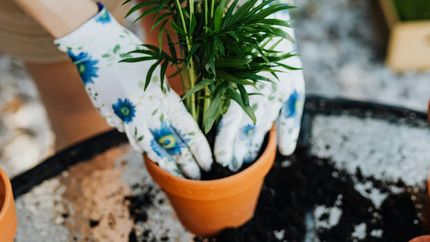
Planting for Full Sun Areas
Full sun areas typically receive six or more hours of direct sunlight each day. These spots present a fantastic opportunity to showcase vibrant flowers or hardy shrubs that thrive under intense light.
When considering plants for sunny spots in Queen Creek, options abound:
- Desert Marigold: This perennial flower features bright yellow blooms and is drought-tolerant once established. Lantana: Known for its colorful clusters of flowers, Lantana attracts butterflies and thrives in heat. Agave: Perfect for xeriscaping, agave varieties offer striking architectural forms while requiring minimal water.
Choosing native plants is particularly advantageous for sunny regions as they are adapted to local conditions and often resistant to pests.
A Case Study in Full Sun Success
One homeowner in Queen Creek transformed their barren front yard into a stunning oasis by planting various native flowers alongside ornamental grasses in their full sun area. The result was not just visually appealing but also attracted local pollinators like bees and hummingbirds who thrived among the blooms.
Options for Partial Shade Locations
Partial shade areas receive 4 to 6 hours of direct light daily but are shielded from harsh afternoon rays or have dappled sunlight filtering through tree branches. These spaces can support a diverse range of plants that appreciate less intense light.
Here are some stellar choices:
- Ferns: Many fern varieties naturally thrive in dappled sunlight and add lush greenery to shaded spots. Coral Bells (Heuchera): With colorful foliage that ranges from deep burgundy to bright lime green, these perennials can brighten up any garden corner. Salvia: Certain salvia species flourish with some shade yet still produce vibrant spikes of color.
A thoughtful approach with partial shade selections can help create serene spaces where relaxation becomes instinctive amidst nature's embrace.
Embracing Full Shade Conditions
Full shade locations—areas receiving less than 4 hours of direct sunlight—can pose challenges when selecting appropriate plants. However, many beautiful options exist for those shadier spots on your property.
Here are some suggestions:
- Hostas: Known for their large leaves and varied colors, hostas adapt beautifully to low-light conditions. Astilbe: With feathery plumes blooming in shades of pink and white, astilbe thrives in moist shady environments. Japanese Forest Grass (Hakonechloa): This ornamental grass adds movement and texture even in dimly lit corners.
Working with shade doesn’t mean sacrificing design; rather it allows creativity to shine through unique plant choices that complement one another while thriving under similar conditions.
Creating Contrast with Color
Incorporating contrasting colors among foliage can elevate your shaded spaces even further. For example, pairing vibrant hostas with darker-leaved varieties creates visual interest while keeping within the boundaries set by low-light conditions.
Water Considerations Based on Light Levels
The amount of water needed varies significantly depending on light levels as well as soil type and climate conditions. Full sun areas generally dry out faster than shaded ones; thus they require more frequent watering initially until established.
In contrast, shaded regions retain moisture longer due to reduced evaporation rates; therefore they may need less frequent watering overall but should be monitored closely during hot spells when even shaded areas can dry out unexpectedly.
Implementing efficient irrigation systems such as drip systems or soaker hoses tailored specifically for each zone can enhance water conservation efforts while promoting healthy plant growth across varying exposures without excessive wastefulness—a crucial consideration given our ongoing climate concerns.
Designing Your Landscape Around Light Conditions
Once you’ve identified suitable plants based on their preferred light conditions, it’s time to consider how these elements come together cohesively within your overall landscape design plan.
Think about layering different heights with taller plants at the back (or center if viewed from all sides) leading down toward shorter varieties at the front edges—this creates depth while ensuring visibility across all layers regardless of vantage point!
Additionally using hardscapes such as pathways made from natural stone or pavers could visually connect distinct areas while providing practical access points between sections without overwhelming neighboring flora around them!
Final Thoughts on Plant Selection
Selecting the right plants according to sun exposure levels is an integral part of successful landscaping strategies here in Queen Creek—and beyond! By carefully assessing both current environmental factors alongside personal preferences regarding aesthetics one can cultivate outdoor spaces brimming with life - whether basking under bright sunshine or nestled comfortably within cooler shadows cast by neighboring trees!
Whether working independently or enlisting professional landscaping services like Blossom & Oak Landscaping who specialize exclusively within our region’s unique climatic nuances—the end goal remains unchanged: Create flourishing gardens filled with diverse textures and colors perfectly suited towards enhancing property value while nurturing local ecosystems along our journey forward!
Blossom & Oak Landscaping
20665 S 191st Wy, Queen Creek, AZ 85142, United States
+1 (480) 660-4666
[email protected]
Website: https://www.blossomandoak.com/